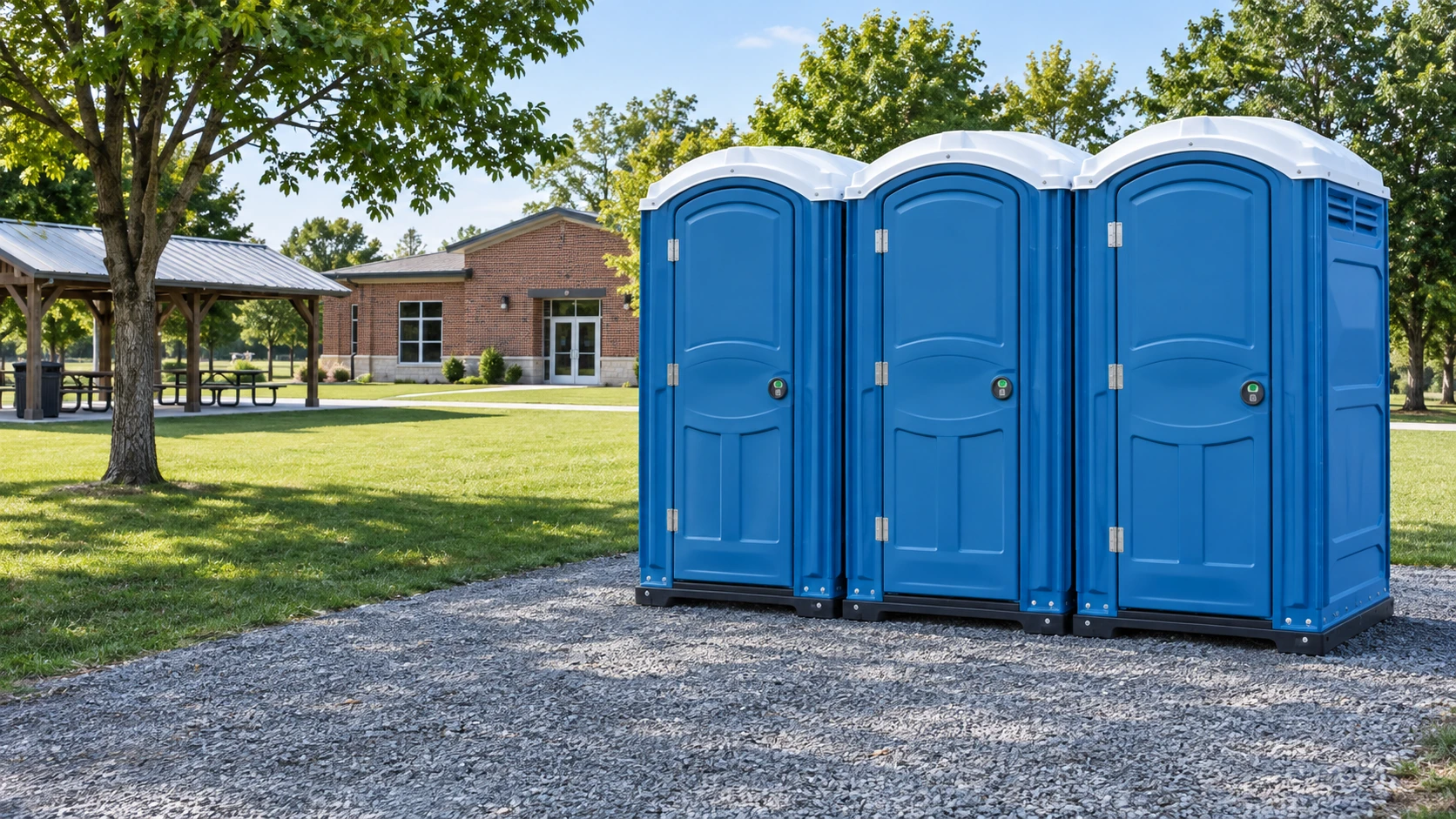
Restroom placement between the Yellowstone River and the Rimrocks
The local landscape
Billings’ setting is strongly shaped by the Yellowstone River and the cliff landscape known as the Rimrocks. The city describes itself between the river and that prominent rock face, while its trail-planning material identifies historic downtown as another important community destination. For a rental, these features are useful orientation points, but they also show why a property needs its own access description. Tell the local contact about the actual surface, any grade, and the route from the approved entrance to the proposed equipment pad. [sources]
Districts, landmarks, and property context
A contractor working on a larger parcel, a property manager renovating an occupied building, and an organizer planning a gathering may need very different restroom arrangements. The wider valley and bluff setting does not determine what is suitable at any one address. Describe the work boundary, user circulation, material storage, and available turning space. Confirm placement with the owner or venue manager. A trail, scenic overlook, or undeveloped-looking patch of ground should not be assumed to provide permission or a service approach for rental equipment. [sources]
A rental plan for this setting
For Billings, prepare the full address, dates, use hours, and expected workforce or attendance before calling. Mention permanent facilities and any periods of concentrated use. Compare standard units with accessible options and washing stations, reviewing actual specifications and space requirements. Ask about cleaning, supplies, included visits, delivery, collection, extensions, and extra servicing. Keep the agreed approach clear as the project or event develops. If staffing, finish dates, or the setup area changes, discuss the available adjustment with the local contact before relocating units or changing pickup arrangements.
For a working property in Billings, use our construction restroom guide to prepare crew and schedule details. For a gathering, the event rental guide covers attendance, setup windows, and guest circulation. Both are useful starting points for a call about your particular address.
Keep the plan useful throughout the rental
Once the equipment is placed, keep its service approach available throughout the rental. Explain any planned fencing, changing work zones, or vendor activity that could affect access. For a longer project, ask how supplies and routine visits are handled; for a multi-day occasion, discuss the service window alongside the program.
Before confirming, review the rental period and everything included in the quote: transportation, proposed equipment, scheduled servicing, additional visits if needed, and collection. An approved location and a reliable on-site contact help keep those arrangements clear as the job or event develops.