Distinguish Asheville’s riverfront paths from the project entrance
The local landscape
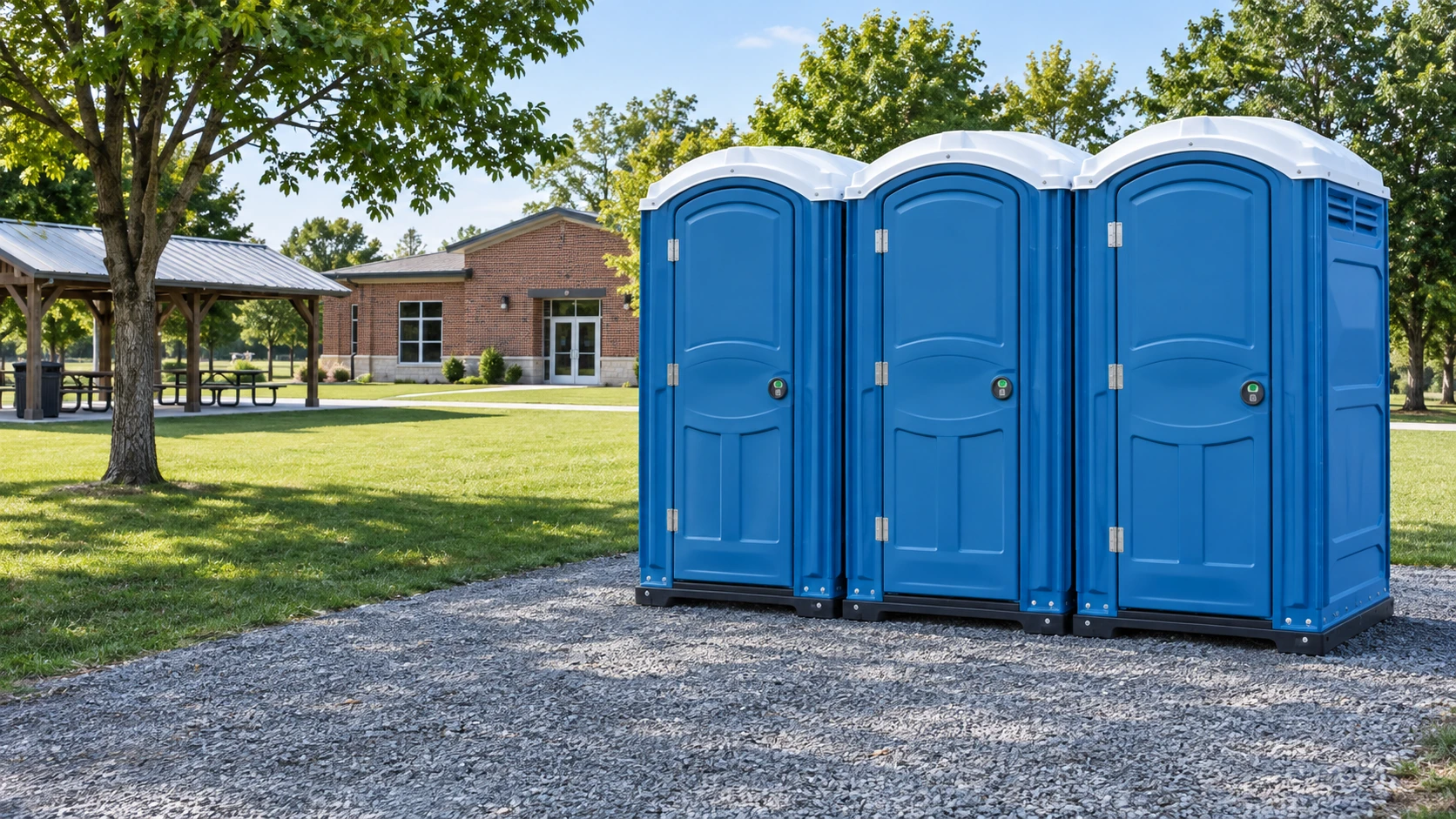
Asheville’s River Arts District follows the French Broad River through a landscape of former warehouses and working studio spaces. Explore Asheville describes the district as a creative corridor shaped by those older industrial buildings and the adjacent river. For a rental request in this setting, distinguish the actual property from the broader district. Provide the approved entrance and equipment pad, then explain whether the facilities support construction, work at an occupied business, or an occasion at a booked venue. [sources]
Districts, landmarks, and property context
The Wilma Dykeman Greenway runs through the riverfront area, and city material describes the River Arts District’s history as an industrial landscape associated with the railway. These connections are useful local context, but a public path should not be treated as an equipment route. Confirm current access and placement with the site manager, particularly when the layout differs from an older map or familiar entrance. Explain which pedestrian approaches, loading areas, and occupied building entrances need to remain clear during the rental. [sources]
A rental plan for this setting
For an Asheville quote, share the dates, guest or crew count, use hours, and permanent restroom availability. Describe any grade, narrow turn, gate, or surface change on the actual approach. Include accessible restroom specifications and hand washing while comparing the equipment footprint. Ask what cleaning visits, supply replenishment, waste removal, delivery, and pickup are included. Identify a reliable on-site contact, maintain the agreed service route, and report changes in attendance, work phases, or approved access early enough to discuss available adjustments.
For a working property in Asheville, use our construction restroom guide to prepare crew and schedule details. For a gathering, the event rental guide covers attendance, setup windows, and guest circulation. Both are useful starting points for a call about your particular address.
Keep the plan useful throughout the rental
Once the equipment is placed, keep its service approach available throughout the rental. Explain any planned fencing, changing work zones, or vendor activity that could affect access. For a longer project, ask how supplies and routine visits are handled; for a multi-day occasion, discuss the service window alongside the program.
Before confirming, review the rental period and everything included in the quote: transportation, proposed equipment, scheduled servicing, additional visits if needed, and collection. An approved location and a reliable on-site contact help keep those arrangements clear as the job or event develops.