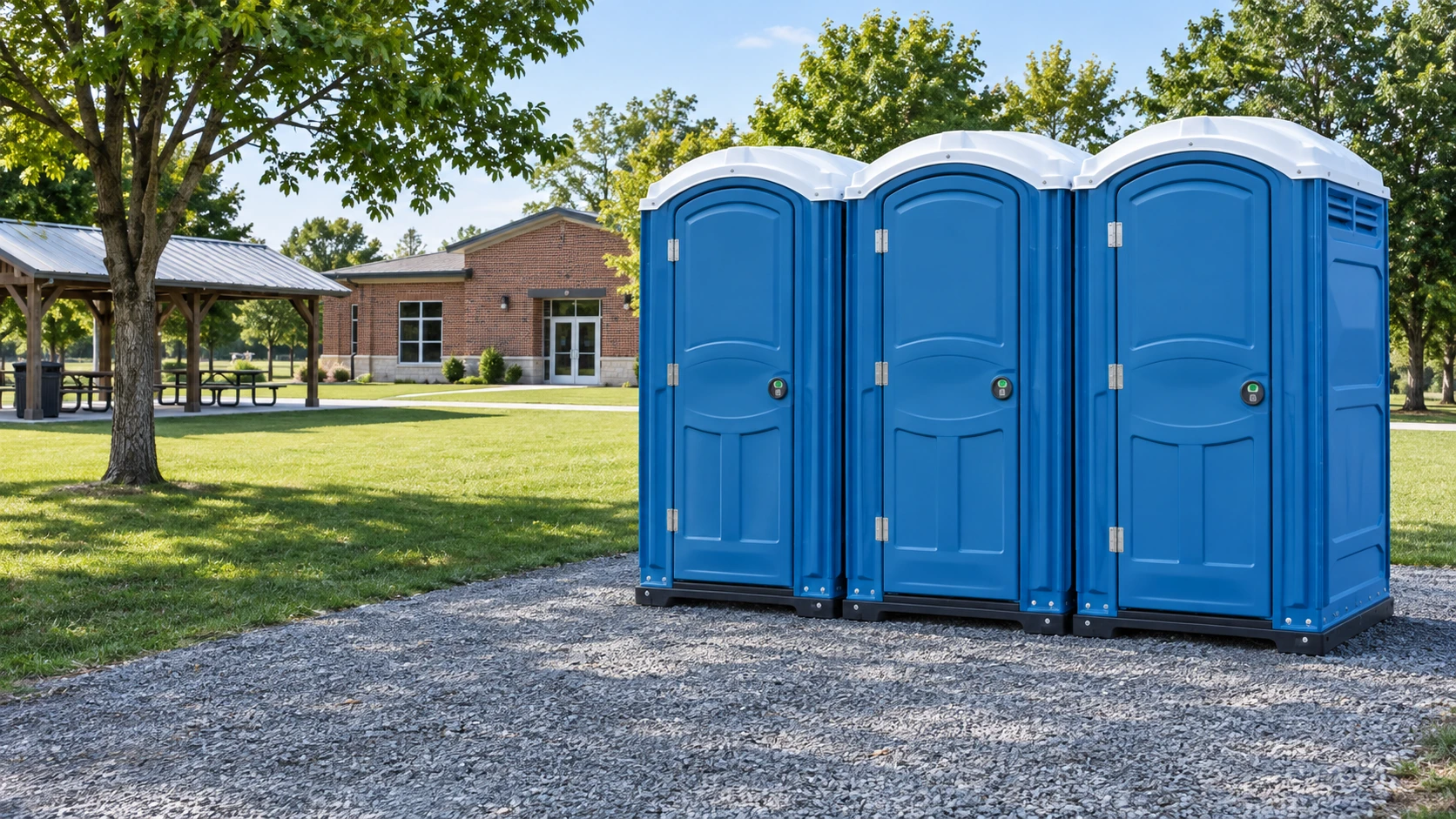
Review the format.
Plan the installation.
Define the role of the temporary facility
Explain whether the trailer would support an occupied property, replace unavailable indoor restrooms, or serve an organized occasion. Include the user count, use hours, and existing facilities. Ask which models are available for the requested period and review their features directly. Equipment selection should follow the actual requirement rather than a general impression of the trailer category.
Establish a workable delivery route
Describe gates, turning space, driveway width, overhead clearance, and surface conditions along the approach. Explain shared entrances and restrictions on vehicle movement. The property representative should approve a suitable position before other equipment occupies it. Review the offered trailer’s delivery needs using the real route, including the space available to maneuver into and out of position.
Allow for the operating footprint
Include the body, entry arrangement, doors, user circulation, and access for servicing. Consider where people come from and whether a queue could interfere with another activity. Discuss slopes and uneven ground at the proposed placement area. Use dimensions for the specific model under consideration before setting surrounding seating, storage, vendor, or work positions.
Confirm utility requirements and ownership
Ask about power, water, waste arrangements, and support equipment required by the offered model. Explain which connections are available and where they are located. Clarify who authorizes their use and who provides each part of the setup. These details should be confirmed alongside access and placement so the proposed format matches the property’s actual capabilities.
Assess access features using the model details
If accessible facilities are needed, review the proposed trailer’s specifications and the full route from occupied areas to its entrance. Compare other accessible equipment where appropriate. A trailer label does not describe every available model. Ask the venue or project contact to confirm the requirements that apply to the occasion and proposed installation.
Agree on service and removal windows
Share the operating schedule and the separate times when vehicles can enter for delivery, servicing, and collection. Identify someone who can coordinate entry during the rental. Review equipment, utilities, transportation, service, pickup, and the complete quote together. Report changes to the program, working hours, or property access early enough to discuss the available adjustments.