Protected hills and planned properties across Irvine
The local landscape
Irvine’s local landscape includes protected open space alongside developed neighborhoods and business properties. The city identifies Quail Hill, Bommer Canyon Preserve, Shady Canyon, and Orchard Hills within its open-space program. Its preserve information also names the Jeffrey Open Space Trail among the wider outdoor connections. These features help describe an area, but a portable restroom request needs the actual property address and authorized vehicle entrance. A nearby trailhead should not be assumed to provide access or setup space for a separate project. [sources]
Districts, landmarks, and property context
The city describes a mix of native habitats within the preserve, including grassland, riparian areas, and coastal sage scrub. A site near these protected lands should have a clearly defined working boundary and an approved equipment position. For a residential improvement, occupied commercial parcel, or event venue, explain where users move and which areas other contractors or vendors will occupy. Describe surface changes and gates along the final approach. Ask the property representative to confirm the layout instead of treating adjoining open land as available staging space. [sources]
A rental plan for this setting
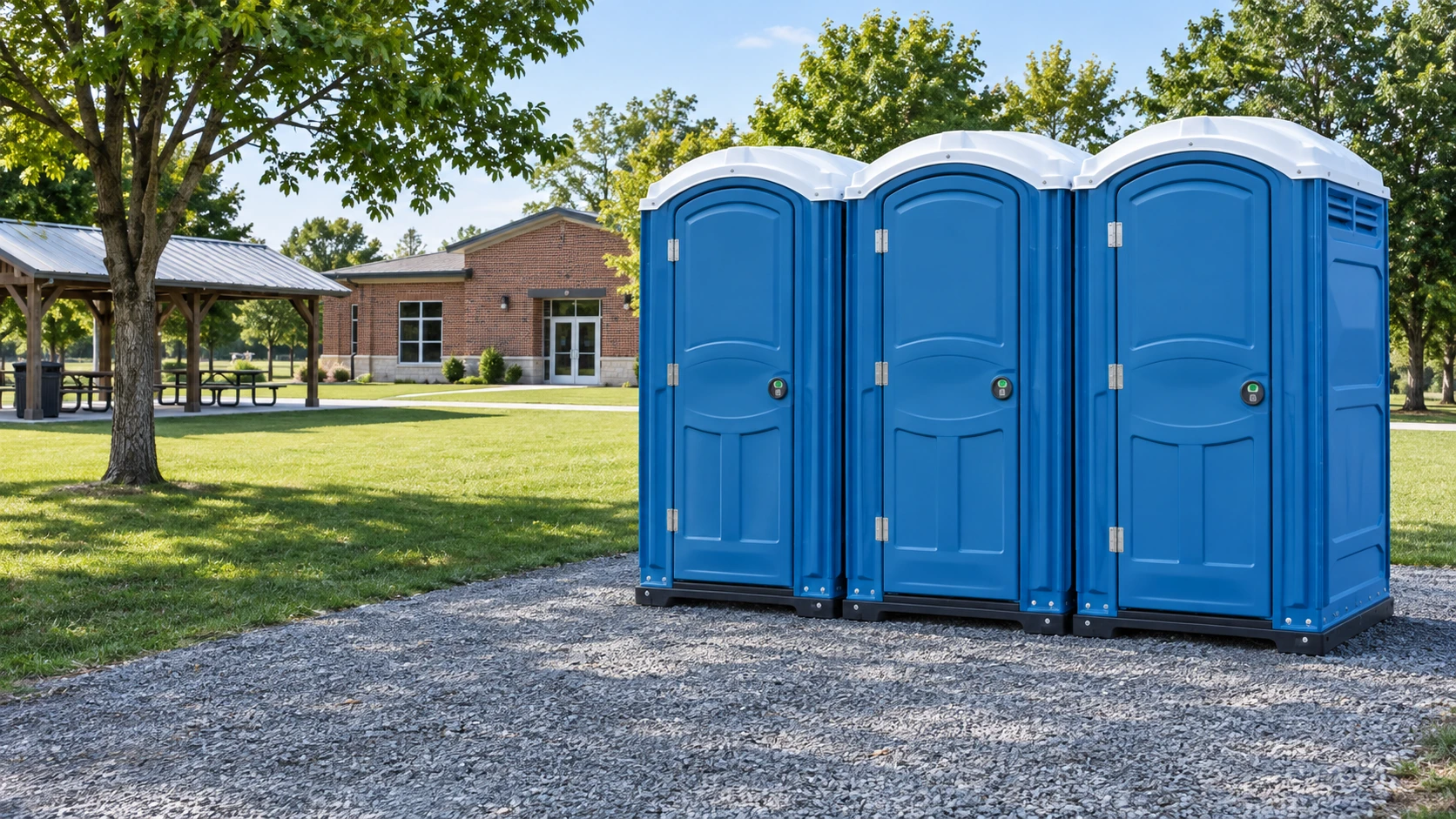
When planning Irvine portable toilets, share dates, daily workers or expected guests, use hours, and existing facilities. Discuss accessible options and washing stations before fixing the surrounding layout, and confirm the offered units’ actual dimensions and features. Review cleaning visits, included supplies, transportation, collection, and pricing for the request. Keep the service approach available as the site changes and give a reliable entrance contact. Call early about altered attendance, project phases, or pickup windows so the proposed arrangement can be checked against the property and schedule.
For a working property in Irvine, use our construction restroom guide to prepare crew and schedule details. For a gathering, the event rental guide covers attendance, setup windows, and guest circulation. Both are useful starting points for a call about your particular address.
Keep the plan useful throughout the rental
Once the equipment is placed, keep its service approach available throughout the rental. Explain any planned fencing, changing work zones, or vendor activity that could affect access. For a longer project, ask how supplies and routine visits are handled; for a multi-day occasion, discuss the service window alongside the program.
Before confirming, review the rental period and everything included in the quote: transportation, proposed equipment, scheduled servicing, additional visits if needed, and collection. An approved location and a reliable on-site contact help keep those arrangements clear as the job or event develops.